The Brand Voice Audit Nobody Wants to Do
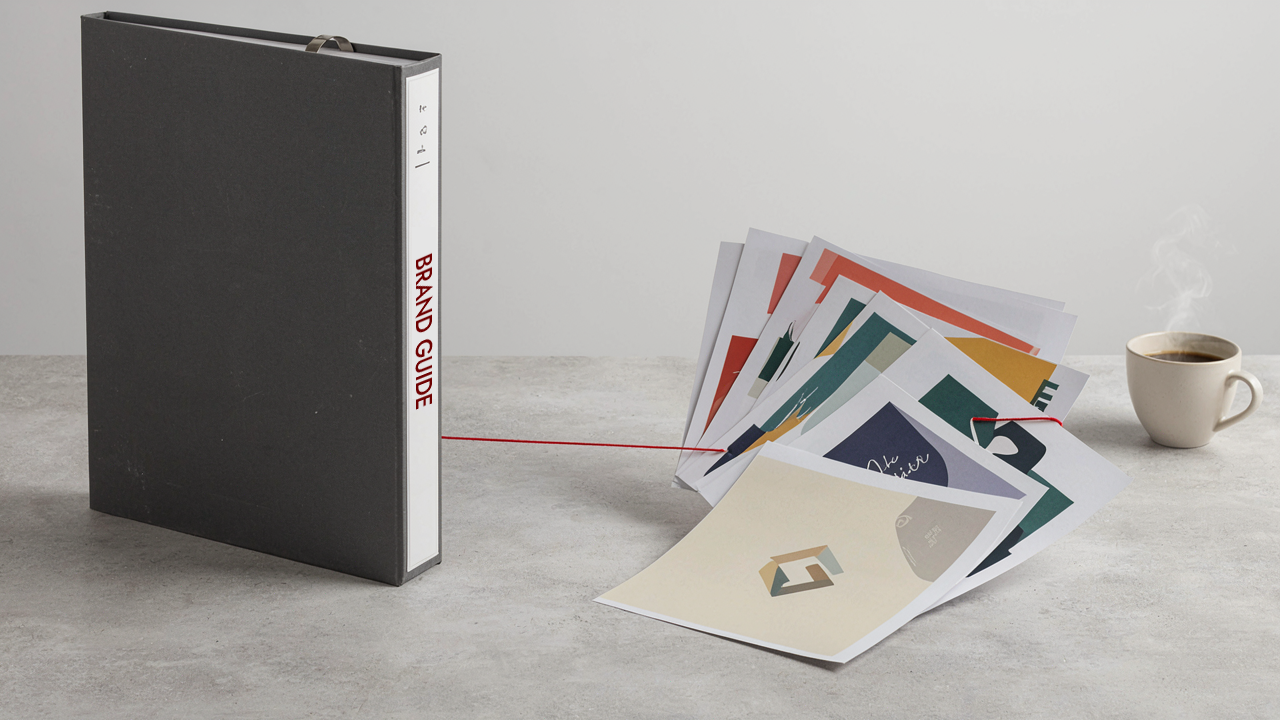
Ask most organisations if their brand voice is consistent, and they’ll say “yes.” Ask them to pull their last ten pieces of communication side by side, and the answer usually changes. This is the audit nobody wants to do, because it’s uncomfortable. It shows the gap between the brand guideline document sitting in a shared drive and what actually leaves the building.
The gap is more common than most teams assume. Research from Marq (formerly Lucidpress), surveying more than 400 brand management professionals for its State of Brand Consistency Report, found that 81% of companies deal with off-brand content despite most having documented guidelines. Having a style guide and consistently applying it are two very different achievements.
Why the gap exists
It’s rarely one bad decision. It’s a hundred small, reasonable ones: a deadline that skips the sign-off step, a new team member who hasn’t seen the guidelines, a campaign tone that felt right in the moment but doesn’t match the report published the same week. None of it looks like a crisis. All of it adds up to one.
The Brand Voice, what drift actually costs
A brand that sounds slightly different everywhere doesn’t necessarily feel dishonest to audiences. It feels forgettable. People build recognition through repetition: the same tone, the same visual logic, the same underlying promise, encountered enough times that it becomes familiar.
This isn’t just branding folklore. Social psychologist Robert Zajonc’s research on the mere exposure effect showed that repeated exposure to a stimulus can increase familiarity and positive response, a phenomenon later examined across decades of psychological research.
Recognition, in other words, isn’t built by a single striking piece of communication. It’s built by consistent, repeated contact with the same underlying signal. Drift breaks that repetition quietly. Every off-brand touchpoint introduces a slightly different signal, making it harder for audiences to build the pattern that makes a brand immediately recognisable.
In South Africa, consistency doesn’t mean sameness
Another dimension applies in the South African market. Our audiences are culturally, linguistically and economically diverse, and brands routinely communicate across corporate environments, communities, social platforms, traditional media and multiple languages. Consistency therefore cannot mean saying exactly the same thing, in exactly the same way, to everyone. It means remaining recognisably you while adapting intelligently to context.
That distinction matters. Edelman’s 2025 research found that 84% of South Africans trust the brands they use to do what is right, and it also points to the importance of brands authentically reflecting contemporary culture. South Africa’s 2024 Township Customer Experience Report similarly found that consumers gravitate towards brands that resonate with their everyday realities and cultural identity.
The challenge for South African brands, then, isn’t simply consistency. It’s consistent authenticity: maintaining a clear brand character while knowing when language, tone, cultural context and platform need to change.
And the commercial case for consistency is significant. Marq’s research has reported that consistent brand presentation across channels can contribute to revenue growth. Whatever the exact uplift for an individual organisation, the principle is straightforward: recognition, trust and coherence have business value.
Our approach
That’s why brand and design systems matter more than a style guide. A system isn’t a rulebook that restricts creative teams; it’s the throughline that lets different people, on different projects, in different formats, and for different audiences, still sound unmistakably like the same organisation.
At Design@Bay, part of what we do is exactly this kind of audit: not to police creativity, but to protect what makes a brand recognisable in the first place. If it’s been a while since anyone looked at your last ten pieces of communication side by side, Design@Bay is a good place to start that conversation.